
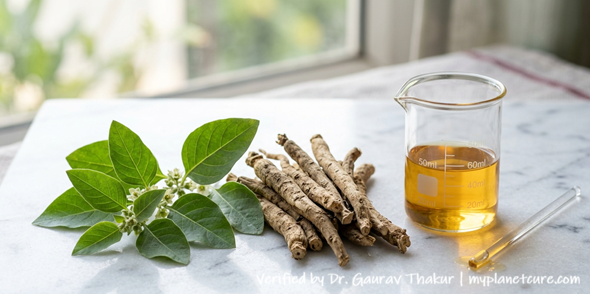
Ayurveda for Beginners
If you grew up in India, Ayurveda was never something “new” to you. It was already there — in your kitchen, your grandmother’s advice, and even in the way your day naturally flowed. Turmeric for wounds. Ginger tea for colds. Warm water in the morning. It all came from somewhere — and that somewhere is Ayurveda.
Most Ayurveda content online is either too basic or too complex. This guide is designed for beginners who want real clarity. By the end, you will understand your body type, digestion, and simple daily habits that actually improve your health.
What is Ayurveda — and why does it still matter?
Ayurveda means “the science of life.” It is a 5,000-year-old system that focuses on balance rather than just treating symptoms.
Instead of asking “what disease do you have?”, Ayurveda asks:
“Why is your body out of balance?”
This makes it one of the earliest forms of personalised health systems.
The five elements of Ayurveda
Ayurveda is based on five natural elements:
- Space: Empty areas in the body
- Air: Movement and breathing
- Fire: Digestion and metabolism
- Water: Fluids and lubrication
- Earth: Structure and strength
These combine to form the three doshas.
The three doshas explained
Vata — movement energy
Balanced: Creative, active
Imbalanced: Anxiety, dryness, insomnia
Balance with: Warm food, routine, rest
Pitta — transformation energy
Balanced: Focused, productive
Imbalanced: Anger, acidity, skin issues
Balance with: Cooling foods, calm lifestyle
Kapha — structure energy
Balanced: Calm, strong
Imbalanced: Weight gain, laziness
Balance with: Exercise, light food
How to identify your dosha
- Vata: Thin body, anxious, dry skin
- Pitta: Medium build, strong digestion, short temper
- Kapha: Heavy build, slow metabolism, calm nature
Most people are a mix of two doshas.
Agni — your digestive fire
Agni is the most important concept in Ayurveda. It controls digestion and how your body processes everything — food, emotions, and thoughts.
Strong Agni = good health Weak Agni = toxins (Ama) and disease
Simple ways to improve Agni:
- Eat warm food
- Avoid overeating
- Eat at fixed times
- Reduce stress
Ayurvedic daily routine (Dinacharya)
Daily routine is where real results come from.
- Wake up before 6 AM
- Drink warm water
- Clean tongue
- Do oil pulling
- Eat meals on time
- Sleep before 10 PM
Even 2–3 habits can significantly improve energy and digestion.
Common beginner mistakes
- Trying everything at once
- Buying supplements too early
- Ignoring daily routine
- Expecting instant results
Frequently asked questions
Can I start Ayurveda without diet changes?
Yes, start with routine first.
How long before results?
Usually 3–4 weeks with consistency.
Is Ayurveda safe?
Basic lifestyle practices are safe, but consult a doctor for medical conditions.
Conclusion
Ayurveda is not about complicated rules. It is about understanding your body and making small, consistent changes.
Start simple:
- Wake up earlier
- Drink warm water
That alone can begin your transformation.
This article is for informational purposes only and not medical advice.
Read more: Ayurvedic herbs for immunity
Read more: Ashwagandha benefits and dosage
Read more: Tulsi health benefits
Read more: Dinacharya in detail