Zero-Waste Kitchen: 10 Plastic-Free Swaps Every Indian Home Can Make
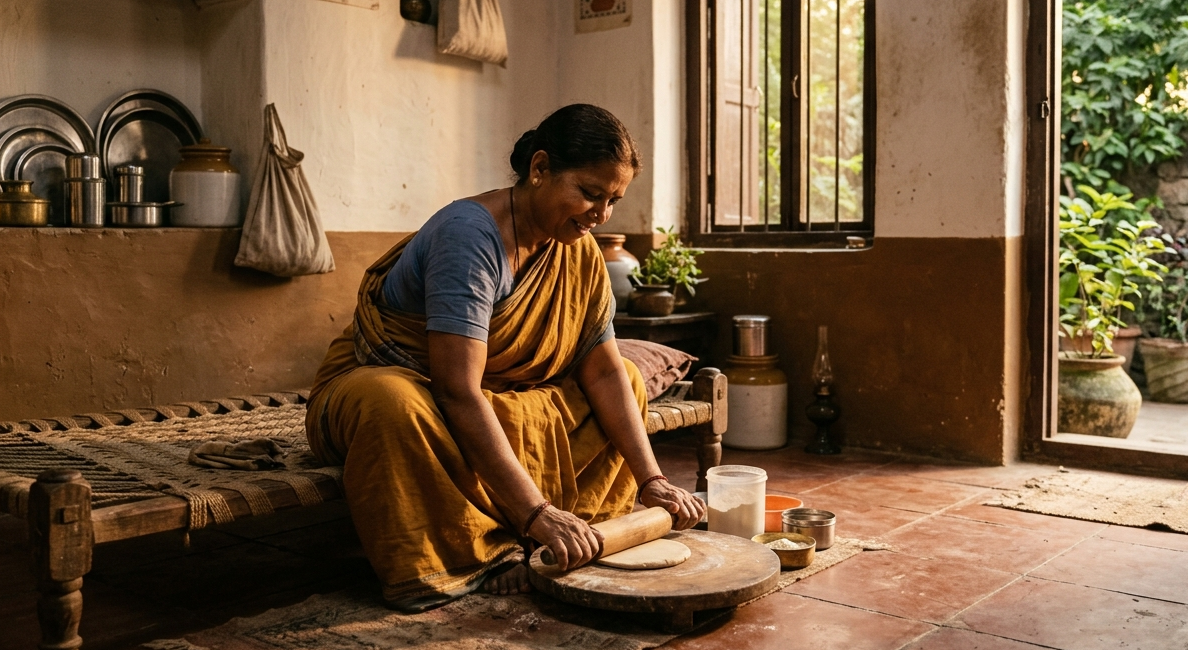
Before plastic existed, Indian kitchens were already plastic-free. The steel dabba that kept rotis warm. The brass vessel for water. The clay pot for curd. The coconut shell ladle. The cotton cloth that wrapped everything. The banana leaf that served as a plate at every feast. These were not sustainable design choices — they were just what existed. And in most cases, they worked better than what replaced them.
The return to plastic-free living is, for Indian households, less about adopting new values and more about recovering a functional tradition that was abandoned in the rush toward convenience. The knowledge is still in the family — somewhere between your mother’s kitchen and your grandmother’s pantry. It just needs to be brought forward.
This list focuses on practical, available and affordable swaps — not imported lifestyle products. Everything below is either already in Indian homes or easily sourced from local markets.
Why plastic in the kitchen specifically matters
The environmental case for reducing plastic is well known — it does not biodegrade, accumulates in water systems, and is now found in marine organisms at every level of the food chain. But the kitchen-specific concern has an additional dimension: heat.
When plastic containers are heated — storing hot food, microwaving, washing in hot water — they leach compounds including BPA (bisphenol A) and phthalates into the food. BPA is an endocrine disruptor — a compound that interferes with hormone signalling — and is associated with developmental problems in children, hormonal disruption in adults, and increased risk of certain hormone-sensitive cancers.
The most common sources of plastic-food contact in Indian kitchens: plastic dabbas holding hot food, cling film on warm dishes, plastic water bottles in the refrigerator, and the increasingly common practice of storing cooking oil in plastic containers. These are the highest-priority swaps, particularly in households with young children.
10 plastic-free kitchen swaps for Indian households
1. Steel tiffin boxes and dabbas for food storage
This is the simplest and most impactful swap — replacing plastic food containers with stainless steel tiffin boxes (dabbas). Steel does not leach, does not absorb odours or stains, lasts decades rather than years, and is fully recyclable at end of life.
The steel dabba is already deeply embedded in Indian kitchen culture. The typical Indian household has several — they just coexist with plastic containers that have largely replaced them for “everyday” use. Reclaiming the steel dabba as the default container requires no new purchase for most households — just a reorganisation of what is already there.
Practical note: Use stackable steel containers of similar sizes so they store efficiently. Steel containers with rubber seal lids work for liquids. The traditional dabba set with a central handle carrier is still one of the best designed, most durable food transport systems ever created.
2. Brass, copper or steel water bottles
Plastic water bottles are the single largest source of plastic waste globally, and in Indian homes are ubiquitous. Brass and copper vessels have the added benefit of antimicrobial properties — water stored in a copper vessel overnight is genuinely different in bacterial load from water stored in plastic.
Copper water storage is an Ayurvedic practice — copper-stored water is called tamra jal and is considered to have digestive and antimicrobial benefits. Whether or not you accept the Ayurvedic framing, the antimicrobial properties of copper are scientifically well established.
Practical note: Copper vessels should be cleaned weekly with a paste of salt and tamarind or lemon juice, which removes the oxidised copper layer from the interior. Do not store acidic liquids (citrus juice, milk) in copper for extended periods.
3. Cotton produce bags for vegetables and groceries
The plastic bag at the vegetable vendor is one of the most routine plastic encounters in Indian households. A small bag of cotton mesh or muslin bags, kept in the kitchen or shopping bag permanently, eliminates this completely. Cloth produce bags are washable, last years, breathe (keeping vegetables fresher longer than plastic), and reduce the single-use plastic from weekly shopping significantly.
Indian tradition already has this: the cotton jhola (cloth bag) was the standard grocery carrier before plastic. Most local fabric stores sell cotton and muslin by the metre — making produce bags from scrap fabric or old dupattas is straightforward.
4. Beeswax wrap or muslin cloth to cover food
Plastic cling film is used primarily to cover bowls and wrap food — both applications where it heats and contacts food. The replacements:
- Muslin or thin cotton cloth: A piece of damp muslin placed over a bowl keeps food fresh and is fully washable. Already present in every Indian kitchen as kneading cloth, straining cloth, etc.
- Steel plate inverted over bowl: The simplest possible cover — a flat steel plate or katori inverted over any bowl. Used in Indian kitchens for generations before cling film existed.
- Beeswax wraps: Available from eco-stores and online — fabric coated with beeswax that clings to bowls and wraps food. More expensive initially but reusable for up to a year.
5. Coconut shell or wooden ladles and spoons
Plastic spatulas and ladles leach compounds when used with hot food on a hot pan — precisely the most common use in Indian cooking. Wooden and coconut shell utensils do not leach, last for years with proper care, and are available from kitchen supply shops and artisan markets across India at very reasonable prices.
Neem wood and sheesham wood are traditionally used in Indian kitchen utensils — both have mild natural antimicrobial properties. Soak wooden utensils in coconut oil periodically to prevent cracking and drying.
6. Clay pots (matka) for water storage and curd setting
Clay water pots are one of India’s most intelligent traditional designs: they cool water through evaporation (no electricity), infuse water with minerals from the clay, and are fully biodegradable. The matka on the kitchen shelf or courtyard is not nostalgia — it is better than a refrigerator for drinking water quality and flavour.
Curd set in a clay pot develops a texture and flavour that no plastic or steel container matches — the clay’s porosity regulates moisture and temperature during fermentation in a way that creates a markedly better product. This is why restaurant-quality dahi in traditional establishments is still set in clay.
7. Natural cleaning tools — coconut fibre scrubbers and jute scourers
Plastic scrubbers and steel wool are the standard kitchen cleaning tools in most Indian households. Both generate microplastic and metal particles that enter the drain system. Natural alternatives:
- Coconut fibre scrubbers (nariyal khajur): Traditional and fully biodegradable. More durable than most people expect — a single coconut fibre scrubber lasts 2–3 months with proper care (rinse and dry after each use).
- Loofah (luffa): The dried sponge gourd — grown in Indian gardens — makes an excellent dish scrubber when cut into sections. Fully compostable.
- Jute scourer: Excellent for heavy scrubbing without scratching steel.
8. Steel straws and bamboo straws
Single-use plastic straws are one of the smallest contributors to household plastic waste but are disproportionately harmful in waterways due to their size and buoyancy. Steel straws (stainless steel, washable, last years) or bamboo straws (fully compostable) replace them permanently. A set of 4–6 steel straws with a cleaning brush is a one-time purchase that eliminates straw plastic entirely.
9. Homemade liquid soap and cleaners in glass bottles
Most dish soap and kitchen cleaner is sold in single-use plastic bottles. The alternatives require slightly more planning but dramatically reduce plastic:
- Reetha (soapnut) liquid: Boil 20–25 reetha (soapnut shells) in 1 litre of water for 20 minutes, strain, cool, store in a glass bottle. Natural surfactant, effective dish soap, fully biodegradable.
- Concentrated soap refills: Many cities now have refill stations for dish soap and cleaners — bringing your own glass bottle eliminates the plastic purchase.
- Washing soda + soap nut powder: For heavier kitchen cleaning, washing soda (sodium carbonate, sold at hardware shops) + ground soapnut powder in a glass jar.
10. Banana leaf and sal leaf plates for special occasions
The tradition of using banana leaves, sal leaves and palash leaf plates for meals — still common in many parts of India for feasts, ceremonies and temple food — is both ecologically responsible and, from a flavour perspective, genuinely superior. Food eaten from banana leaf has a distinct, subtly enhanced flavour from the aromatic compounds in the leaf.
For daily meals, steel plates are the zero-waste choice. For gatherings, leaf plates sourced from local market — where they are still commonly sold in most Indian cities — eliminate the enormous volume of disposable plastic and thermocol plates that have replaced them.
How to start without overwhelming yourself
Do not attempt all ten simultaneously. The most sustainable approach: identify the three plastic items in your kitchen that you use most frequently and replace those first. For most Indian households, that will be plastic water bottles, plastic food storage containers, and cling film — in that order. Replace those three, use them consistently for a month until it becomes habit, then add the next two.
The full zero-waste kitchen is not a destination reached in a weekend. It is a direction, arrived at one swap at a time.
For more eco-friendly home practices, see our complete eco-friendly home guide and our recipe for a homemade natural floor cleaner that replaces chemical products entirely.
This article is for informational and educational purposes only. Product suitability may vary by household needs and location.
For traditional Ayurvedic guidelines and further reading, explore the official resources provided by the Ministry of Ayush or research at the National Institutes of Health (NIH).